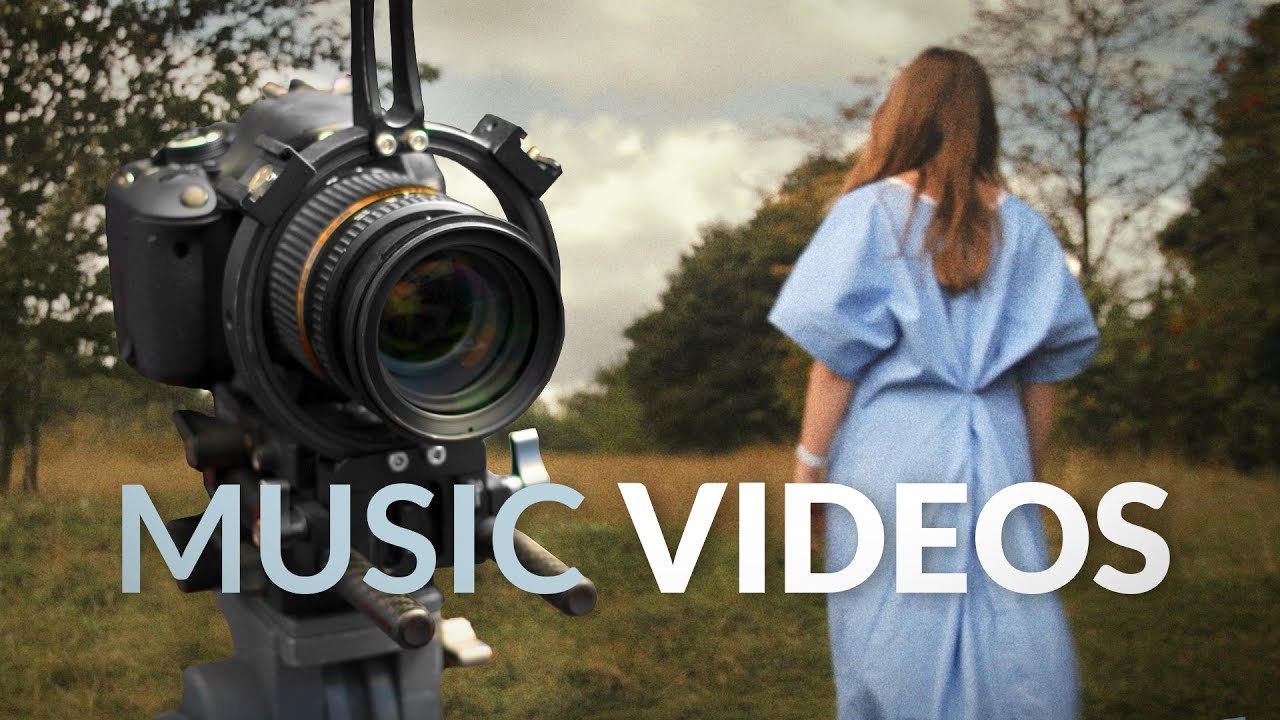
Easy Music Video Making: A Step-by-Step Guide for Beginners

Creating a music video can seem like a daunting task, especially if you’re new to video production. However, with the right tools and techniques, you can produce a professional-looking music video without needing a Hollywood budget. In this guide, we’ll walk you through the steps to make an easy music video, providing tips and recommendations for beginners.
1. Planning Your Music Video
Define Your Vision
Before you start shooting, it’s crucial to have a clear vision of what you want your music video to look like. Consider the mood, style, and message you want to convey. Think about how the video will complement your song and engage your audience.
Create a Storyboard
A storyboard helps visualize your video’s sequence and scenes. Sketch out key scenes, camera angles, and transitions. This will serve as a roadmap during filming and editing, making the process smoother and more organized.
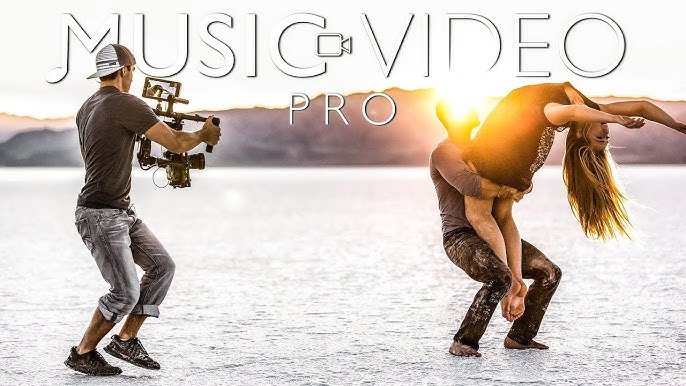
2. Preparing Your Equipment
Camera
You don’t need an expensive camera to create a great music video. Modern smartphones with high-quality cameras can do the job. If you have access to a DSLR or mirrorless camera, that’s even better. Ensure your camera is set to shoot in the highest resolution possible.
Lighting
Good lighting is essential for a professional-looking video. Natural light can be effective, but if you’re shooting indoors, consider using affordable LED lights or even DIY lighting setups with lamps and reflectors.
Sound
While the focus is on your music, clear sound is still important. Use high-quality audio equipment to record any live sound or vocals if needed. Make sure the music track is mixed and mastered properly before syncing it with your video.
3. Shooting Your Music Video
Location and Set Design
Choose a location that fits your video’s theme. It could be a studio, a scenic outdoor spot, or even a well-decorated room. Make sure the location is clean and free of distractions. Simple set designs can be very effective, so think about props and backgrounds that enhance your video’s concept.
Showcasing Creativity and Craftsmanship in Digital Art
RobertDevico presents a curated collection of digital art and creative projects that highlight unique vision and artistic skill.
For some visitors who appreciate well‑crafted creative design, platforms like new zealand nba online betting provide a different kind of engaging digital experience where design and usability matter.
Both art portfolios and thoughtfully built online services rely on clarity, aesthetic appeal, and intuitive navigation to connect with their audience.
By combining creative talent with user‑focused presentation, RobertDevico offers a compelling and enjoyable experience for its visitors.
Camera Angles and Shots
Experiment with different camera angles and shots to add variety to your video. Common shots include close-ups, wide shots, and medium shots. Dynamic camera movements, such as pans and tilts, can also add interest.
Performance and Direction
Guide your performers (or yourself) to deliver the best performance. Practice the choreography or movements in advance. Direct your subjects with clear instructions to achieve the desired look and feel.
4. Editing Your Music Video
Choosing Editing Software
There are many editing software options available, ranging from basic to professional. For beginners, free or low-cost options like iMovie, HitFilm Express, or DaVinci Resolve can be very effective. These tools offer a range of features to help you cut, trim, and enhance your footage.
Syncing Music and Video
Ensure that your music track is perfectly synced with the video. This might involve adjusting the timing of your footage or adding effects to match the beat of the music. Use markers or waveforms in your editing software to help align the audio and video tracks.
Adding Effects and Transitions
Enhance your video with transitions and effects that match the style of your music. Basic transitions, like fades and wipes, can add a polished touch. Color correction and grading can help create a consistent look throughout your video.
5. Publishing and Promoting Your Music Video
Exporting the Video
Once your video is edited, export it in a format suitable for your chosen platform (e.g., MP4 for YouTube or Instagram). Make sure to choose the right resolution and quality settings to ensure your video looks great when viewed online.
Uploading to Platforms
Upload your music video to popular platforms like YouTube, Vimeo, or social media sites. Write a compelling description, add relevant tags, and create an eye-catching thumbnail to attract viewers.
Promoting Your Video
Share your video across your social media channels and encourage your audience to watch and share it. Collaborate with influencers or other artists to reach a broader audience. Consider using paid promotions or advertising to boost visibility.
6. Tips for Success
- Keep It Simple: Sometimes, less is more. Focus on a strong concept and good execution rather than trying to incorporate too many complex elements.
- Stay Organized: Keep your files and footage organized to make the editing process more manageable.
- Get Feedback: Before finalizing your video, get feedback from friends or colleagues to make any necessary improvements.
Artistic Expression and Visual Creativity
Robert Devico showcases paintings and multimedia art projects. For an added layer of excitement, explore online entertainment at bestussportsbetting.com and enjoy sports betting adventures.
Conclusion
Creating a music video can be a rewarding experience, especially when you see your vision come to life. By planning carefully, using the right equipment, and following these steps, you can produce a high-quality video that showcases your music and engages your audience. Remember, practice makes perfect, so keep experimenting and refining your skills with each new project.